
Gaming License Renewal Process: What Operators Need to Know Before Expiration
Your gaming license isn't a lifetime pass. Most jurisdictions issue licenses with 1-5 year terms, and renewal isn't automatic. Miss your renewal window or submit incomplete documentation, and you're looking at suspended operations while your application sits in review limbo.
The renewal process often catches operators off guard because it's not just paperwork refresh. Regulators reassess your entire operation: financial stability, compliance track record, ownership changes, and whether you've maintained standards since initial approval. Some jurisdictions treat renewals almost like new applications, requiring full background checks and updated business plans.
Here's what experienced operators know: renewal prep starts 6-12 months before expiration, not 30 days. The timeline varies wildly by jurisdiction, and getting caught unprepared can cost you hundreds of thousands in suspended revenue.
Understanding Renewal Timeline Requirements by Jurisdiction
Nevada requires renewal applications 6 months before license expiration. New Jersey gives you 90 days. Pennsylvania wants 120 days notice. Miss these windows, and you're operating on borrowed time with potential penalties.
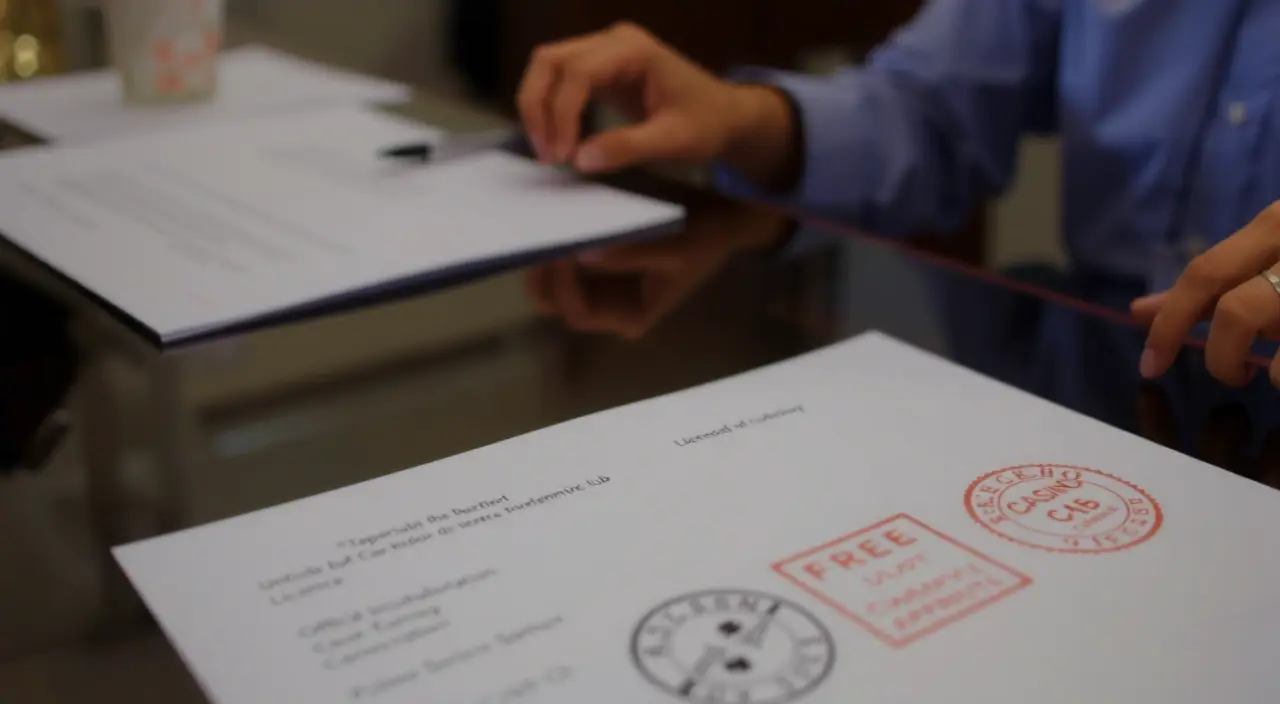
The initial Nevada gaming license application process takes 6-18 months, but renewals typically clear in 60-90 days if documentation is complete. That "if" is doing heavy lifting. Most delays happen because operators submit outdated financial statements or incomplete compliance reports.
Key timeline factors that extend review periods:
- Ownership changes since initial license: Any shift in beneficial ownership triggers additional background checks, even for renewals
- Compliance violations on record: Previous warnings or fines mean enhanced scrutiny and longer processing
- Financial performance concerns: If your audited statements show declining revenue or debt issues, expect detailed questioning
- Incomplete submission: Missing a single required document can reset your clock by 30-60 days
Documentation Requirements: What Actually Changed Since Initial Approval
Renewal applications aren't carbon copies of your original submission. Regulators want updated proof you're still fit to operate, which means fresh documentation across several categories.
Financial Documentation Updates
You'll need current audited financial statements (typically last 2-3 years), updated capitalization tables showing ownership structure, and proof of maintained minimum capital requirements. Some jurisdictions require new bank reference letters confirming your financial standing.
The gaming license costs and fees breakdown for renewals typically runs 25-50% of initial application fees, but that's just the filing cost. Factor in accounting fees for updated audits, legal review of compliance documentation, and potential consulting costs if issues arise.
Compliance and Operations Reports
This is where renewal applications get complicated. You need comprehensive reports documenting:
- Responsible gaming program implementation: Proof of self-exclusion protocols, player protection measures, and staff training records
- AML/KYC compliance history: Summary of suspicious activity reports filed, transaction monitoring systems, and compliance officer certifications
- Technical system certifications: Updated independent testing lab reports for gaming systems, RNG certifications, and security audits
- Advertising and marketing compliance: Evidence that promotional materials meet regulatory standards
Background Check Updates for Key Personnel
Any new executives, board members, or key employees since initial licensing need full background investigations. This includes financial disclosures, criminal history checks, and personal questionnaires. If you've hired a new CFO or compliance officer, budget extra time and cost for their vetting.
Common Renewal Pitfalls That Suspend Operations
Most license suspensions during renewal aren't from major violations. They're from preventable administrative mistakes that signal poor compliance culture to regulators.
Pitfall #1: Treating renewal as routine paperwork. Operators who delegate renewal prep to junior staff without executive oversight often miss critical updates. Your complete casino license application checklist needs senior compliance review, not just admin processing.
Pitfall #2: Failing to disclose material changes. Regulators hate surprises. If you've changed banking relationships, modified gaming systems, or shifted marketing strategies, document it proactively. Discovering undisclosed changes during review triggers investigation delays.
Pitfall #3: Outdated policies and procedures. Your responsible gaming policy from 3 years ago probably doesn't reflect current best practices. Regulators expect continuous improvement, not stagnant compliance programs.
Renewal Cost Breakdown: Filing Fees Plus Hidden Expenses
Nevada renewal fees range from $5,000-$100,000 depending on license type and revenue tier. New Jersey charges $200,000-$500,000 for casino operator renewals. But filing fees are just the starting point.
Budget for these additional costs:
- Legal review and preparation: $15,000-$50,000 for counsel to compile documentation and respond to regulatory questions
- Updated audited financials: $10,000-$30,000 if your regular audit cycle doesn't align with renewal timing
- Background investigation fees: $3,000-$10,000 per new key employee requiring vetting
- Technical compliance updates: $5,000-$25,000 for updated system certifications and security audits
- Consulting fees: $20,000-$75,000 if you need specialized compliance support or have issues to address
Total renewal cost typically runs $75,000-$300,000 for established operators with clean compliance records. Factor 50-100% more if you're addressing previous violations or underwent significant operational changes.
Strategic Approach: Building Renewal-Ready Operations
Smart operators don't prep for renewal. They maintain renewal-ready status continuously through systematic compliance documentation.
Implement quarterly compliance reviews that mirror renewal requirements. Update policies annually whether required or not. Maintain organized files of all regulatory correspondence, internal audits, and training records. When renewal time comes, you're compiling existing documentation, not scrambling to create it.
This approach has secondary benefits. Regulators notice operators who demonstrate mature compliance cultures through organized submissions and proactive updates. That translates to smoother renewals and better relationships when you need regulatory flexibility for business initiatives.
Working With Renewal Specialists vs. Going Solo
First renewal after initial licensing? You probably need specialized help. The process has nuances that aren't obvious from application instructions, and mistakes are expensive.
Experienced compliance consultants know jurisdiction-specific expectations, have relationships with regulatory staff, and can identify potential issues before submission. They're especially valuable if you're managing multi-state renewals with overlapping timelines.
For operators with established compliance teams and clean track records, subsequent renewals become manageable internal processes. But even experienced operators typically retain counsel for final review and regulatory liaison during the application period.
What Happens If You Don't Renew on Time
Operating with an expired license isn't a grace period situation. Most jurisdictions consider it unlicensed gambling, which carries criminal penalties, not just administrative fines. Your payment processors will freeze transactions once they're notified of license expiration, killing revenue immediately.
Some jurisdictions offer conditional extensions if you've submitted renewal applications before expiration, but don't count on it. Others require you to cease operations entirely until renewal approval, even if processing delays caused the gap.
The financial impact of suspended operations typically exceeds $50,000-$200,000 per day for mid-size operators. That's revenue loss plus fixed costs continuing, customer migration to competitors, and brand damage from operational uncertainty.
Multi-Jurisdiction Renewal Coordination
Operating in multiple states? Stagger your initial license applications if possible so renewals don't cluster. Having Nevada, New Jersey, and Pennsylvania renewals all due within 60 days creates impossible workload concentration.
If you inherited clustered renewal dates, prioritize by jurisdiction processing speed and revenue impact. Start the slowest jurisdiction first, even if deadline is later. Coordinate with our gaming license resources team to build realistic timelines across your portfolio.
Some documentation is reusable across jurisdictions with minor modifications. Audited financials, corporate structure documents, and key personnel backgrounds don't need complete recreation for each application. Build a master renewal file that's adapted per jurisdiction requirements rather than starting fresh each time.
When to Consider Not Renewing
Sometimes the smart move is letting a license expire. If a jurisdiction's revenue doesn't justify renewal costs and ongoing compliance expenses, exit strategically rather than throwing good money after bad.
Calculate your return on compliance investment: renewal costs plus annual compliance expenses versus net revenue from that jurisdiction. If you're spending $150,000 annually to generate $200,000 in gross revenue with 15% margins, you're losing money operationally.
Plan exits carefully though. Most jurisdictions require formal surrender applications, customer notification periods, and resolution of outstanding player balances before you can close operations. Factor 90-180 days for clean exit processes.