
Online Gaming License Guide: What Digital Operators Actually Need to Know
Getting an online gaming license is different from brick-and-mortar. Not harder, just different. The regulatory framework shifts from physical location concerns to digital infrastructure, player protection protocols, and cross-border compliance. Most operators underestimate this shift and end up with incomplete applications.
I've worked with 40+ iGaming operators navigating this space. The common thread? Everyone assumes their land-based experience translates directly to online. It doesn't. Remote gaming licenses require different due diligence, different technical certifications, and frankly, different thinking about what regulators actually care about.
This guide breaks down what you actually need to secure an online gaming license, where the hidden complexity lives, and how jurisdictional choices impact everything from application timeline to ongoing compliance costs.
Understanding Remote Gaming License Frameworks
Online gaming licenses fall into three broad categories: B2C operator licenses (you run the casino), B2B platform licenses (you provide software/services), and hybrid models that blur these lines. Your business model determines which regulatory path you follow.
Most jurisdictions separate these clearly. Malta distinguishes between Class 1 (B2C remote gaming), Class 2 (B2B software providers), and Class 3 (network operators). Gibraltar uses similar logic but different nomenclature. Understanding these distinctions matters because application requirements diverge significantly.
B2C Operator Licenses: The Full Compliance Stack
If you're running the customer-facing casino, you need the comprehensive license. This means:
- Complete corporate structure disclosure (beneficial ownership, subsidiaries, parent companies)
- Technical system certifications (RNG testing, game fairness protocols, server security audits)
- Financial stability proof (capital adequacy requirements, segregated player funds, reserve calculations)
- Responsible gaming framework (self-exclusion tools, deposit limits, problem gambling protocols)
- AML/KYC compliance systems (player verification, transaction monitoring, suspicious activity reporting)
The technical certification component catches most applicants off guard. Gaming authorities require independent testing labs (iTech Labs, eCOGRA, GLI) to certify your platform meets fairness standards. This process takes 6-8 weeks minimum and costs $15,000-$40,000 depending on game portfolio complexity.
B2B Platform Licenses: Different Animal Entirely
Platform providers face lighter initial requirements but stricter ongoing technical obligations. You're not dealing directly with players, so consumer protection measures shift to your operator clients. But regulatory authorities scrutinize your software integrity obsessively.
Key B2B licensing requirements focus on technical robustness: game mathematics verification, source code reviews, backend security assessments. Some jurisdictions (looking at you, UK Gambling Commission) require platform providers to demonstrate direct responsibility for game fairness even when white-labeled to operators.
Jurisdictional Selection: Beyond Tax Rates
Most operators pick jurisdictions based on tax rates and brand perception. That's backwards. Start with target markets, work backward to licensing strategy.
If you want EU market access, Malta or Gibraltar make sense - both offer passporting rights under MGA/UKGC recognition frameworks. Targeting Latin America? Curaçao provides cost-effective licensing with regional market acceptance. Looking at emerging Asian markets? Consider Isle of Man or Alderney for regulatory credibility.
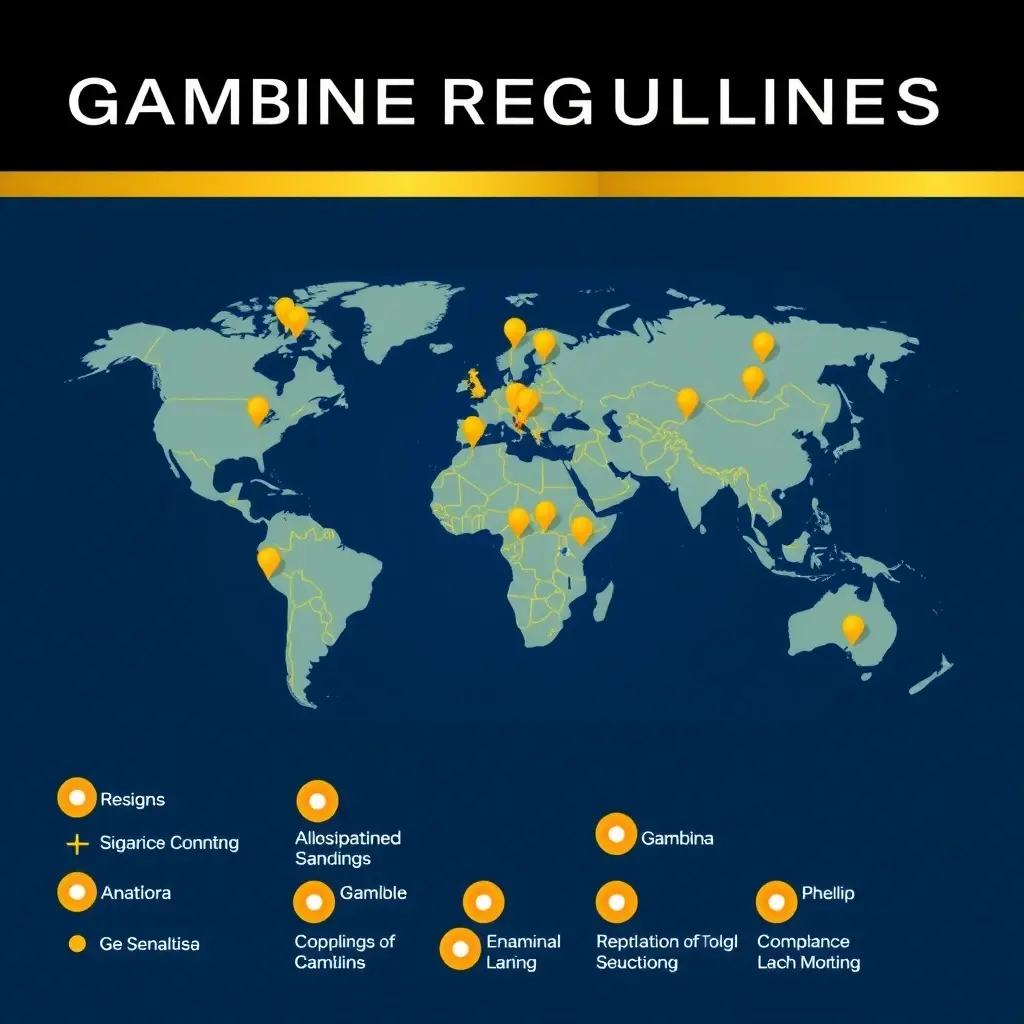
The Major Online Gaming Jurisdictions
Malta Gaming Authority (MGA): Gold standard for EU operators. Rigorous application process (4-6 months typical timeline), but provides legitimate access to regulated European markets. Initial compliance costs run €75,000-€150,000 including legal fees, technical audits, and application charges.
UK Gambling Commission (UKGC): Required for UK market access, no way around it. Application timeline extends 6-9 months due to extensive due diligence. Ongoing compliance burden is heavy - quarterly reporting, strict advertising rules, mandatory contributions to problem gambling research. Budget £100,000+ for initial licensing process.
Curaçao eGaming: Fast-track option (6-8 weeks typical) with lower cost barrier ($30,000-$50,000 total). Regulatory oversight is lighter, which cuts both ways - easier compliance but less market credibility. Four sub-licenses available depending on specific gaming activities.
Gibraltar Regulatory Authority: Strong reputation, particularly for B2B operators. Technical requirements rival Malta's rigor but application process moves faster (3-4 months). Popular with platform providers and white-label operators due to flexible licensing structures.
Application Process Reality Check
Online gaming license applications follow predictable phases, but timeline predictability ends there. Regulatory authorities work at their own pace, and incomplete submissions restart the clock entirely.
Phase 1: Pre-application preparation (4-8 weeks)
Corporate structure finalization, compliance framework development, technical infrastructure preparation. This phase determines application success more than any other. Rush it and you'll pay with revision requests later.
Phase 2: Document compilation (2-4 weeks)
Business plans, financial projections, compliance manuals, technical specifications, ownership disclosures. Expect 200-400 pages of documentation for comprehensive operator licenses. Our detailed casino license application requirements covers the full document matrix.
Phase 3: Technical certifications (6-10 weeks)
Independent testing lab engagement, RNG certification, platform security audits. This runs parallel to application review in some jurisdictions, sequentially in others. Factor lab availability into timeline planning.
Phase 4: Regulatory review (8-16 weeks)
Gaming authority assessment, due diligence investigations, stakeholder interviews. Smart operators maintain weekly contact with case officers to address questions proactively. Radio silence during review phase usually means problems.
Phase 5: Provisional approval to full license (2-4 weeks)
Final compliance verification, license fee payment, operational go-live preparation. Some jurisdictions issue provisional licenses requiring demonstration of operational capability before full approval.
Technical Compliance Infrastructure
Gaming authorities care deeply about technical capabilities because that's where consumer protection lives. Your platform architecture directly impacts player fairness, data security, and responsible gaming effectiveness.
Required technical components for most online gaming licenses:
- Certified Random Number Generator (RNG): Independent lab certification proving game outcomes are truly random. Requires source code review and statistical analysis of millions of game rounds.
- Player account management system: Secure registration, identity verification integration, transaction history tracking, session management with mandatory breaks.
- Responsible gaming tools: Deposit limits (daily/weekly/monthly), loss limits, session time limits, self-exclusion functionality, reality checks.
- Geolocation verification: Real-time player location detection preventing access from prohibited jurisdictions. GPS, IP analysis, and device fingerprinting combined.
- Game history and audit trail: Complete transaction logging, game round recreation capability, player dispute resolution data retention.
Many operators try building this infrastructure in-house. Expensive mistake. White-label platforms from established providers (Playtech, EveryMatrix, SoftSwiss) include pre-certified components accepted by major regulators. Build-versus-buy analysis usually favors buying unless you're targeting unique market positioning.
Ongoing Compliance: The Hidden Cost
License approval is milestone one. Maintaining compliance is the marathon. Online gaming regulations evolve constantly, and authorities expect operators to adapt in real-time.
Budget for ongoing compliance costs:
- Annual license renewal fees: $10,000-$50,000 depending on jurisdiction
- Quarterly financial reporting: Internal staff time or external accountant fees
- Regular technical audits: $8,000-$15,000 per audit cycle
- Compliance officer salary: $75,000-$150,000 depending on jurisdiction complexity
- Legal counsel retainer: $3,000-$8,000 monthly for regulatory guidance
- Responsible gaming contributions: 0.1%-1% of GGR depending on jurisdiction
These aren't optional expenses. They're the cost of staying licensed. Operators who underbudget compliance face license suspension or revocation. Seen it happen to profitable operations that treated compliance as afterthought. For detailed cost planning, review our comprehensive gaming license cost breakdown.
Multi-Jurisdictional Licensing Strategy
Serious online operators don't rely on single-jurisdiction licenses. Market access requirements demand multi-license portfolios. But managing compliance across multiple regulatory frameworks creates operational complexity.
Smart approach: establish primary license in respected jurisdiction (Malta, Gibraltar, Isle of Man), then add market-specific licenses as revenue justifies compliance costs. UK market generating £500K+ monthly? UKGC license pays for itself despite compliance burden. Smaller markets? Consider whether market-specific license delivers ROI or if operating under primary license with geo-restrictions makes more sense.
Some jurisdictions prohibit operations under foreign licenses entirely (France, Spain, Italy require local licensing for market access). Others accept EU-licensed operators under mutual recognition frameworks. Understanding these dynamics shapes market entry strategy. Our expected licensing timelines across jurisdictions helps map multi-license rollout planning.
Common Application Failures
After reviewing hundreds of applications, rejection patterns are predictable:
Insufficient capitalization proof: Gaming authorities want evidence you can withstand 3-6 months of negative cash flow while maintaining player fund segregation. Bank statements alone don't cut it. Need capital adequacy calculations, liquidity projections, and reserve fund documentation.
Incomplete beneficial ownership disclosure: Trying to hide owners or structure corporate entities opaquely triggers immediate rejection. Regulators trace ownership to natural persons, period. Complex holding structures require clear documentation explaining each layer.
Weak responsible gaming framework: Generic copy-paste responsible gaming policies get caught instantly. Authorities expect customized tools matching your specific player demographics and game portfolio. Self-exclusion integration with national databases, deposit limit flexibility, mandatory cooling-off periods must be detailed specifically.
Technical system inadequacy: Promising future improvements doesn't work. Platform must be operational and certified before application submission. Vaporware applications get rejected immediately.
Working With Licensing Consultants
Can you handle online gaming license applications solo? Technically yes. Should you? Probably not unless you've done it before. Regulatory complexity and application costs make consultant fees look cheap compared to rejection delays.
Good licensing consultants provide three things: jurisdictional expertise (they know which regulators move fast, which get stuck in bureaucracy), application optimization (they know what reviewers actually read versus what gets skimmed), and regulatory relationships (they have direct contact with case officers to resolve questions quickly).
Budget $15,000-$40,000 for consultant support depending on jurisdiction complexity and corporate structure complications. That investment typically shortens timeline by 6-8 weeks and prevents costly revision cycles. For comprehensive guidance on navigating these decisions, explore our gaming license resources.
The Reality Check
Online gaming licensing isn't impossible, but it's not simple either. Budget 6-9 months from decision to launch for your first license in a respected jurisdiction. Budget $150,000-$300,000 in total costs including legal fees, technical audits, compliance infrastructure, and consultant support.
Those numbers scare some operators away. Good. This industry needs serious players willing to invest in proper licensing and ongoing compliance. Shortcuts create problems for everyone - regulatory crackdowns, market restrictions, brand damage. Do it right or don't do it at all.
Ready to start your online gaming license application? We've guided 40+ operators through this exact process across Malta, Gibraltar, UK, Curaçao, and emerging jurisdictions. Let's talk about your specific situation and map the smartest licensing path for your market strategy.